 17 Mar 2026
Companies would launch campaigns, observe results, and then adjust messaging months later. But in today’s fast-moving digital environment, reacting is often too slow.
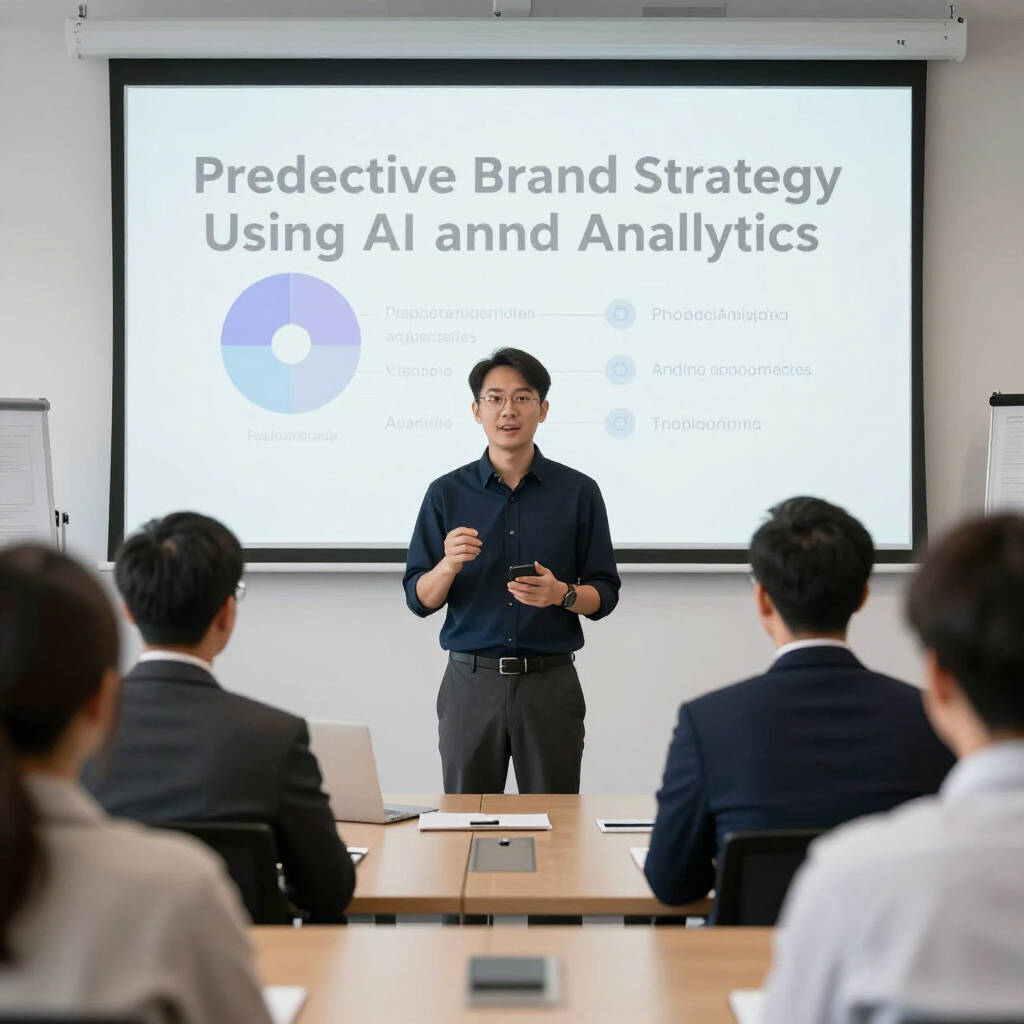
Modern brands are now shifting toward predictive brand strategy — using AI and analytics to anticipate customer behavior, market shifts, and brand perception changes before they happen.
This shift is changing how companies plan growth, manage risk, and build long-term competitive advantages.
What Is Predictive Brand Strategy?
Predictive brand strategy is the use of data, artificial intelligence, and behavioral analytics to forecast how brand decisions will impact customer behavior and business performance.
Instead of asking:
"What happened?"
Predictive strategy asks:
"What is likely to happen next?"
This approach helps brands:
Identify emerging trends early
Predict customer expectations
Optimize messaging before campaigns launch
Reduce strategic guesswork
It transforms branding from intuition-driven to intelligence-driven.
Why Predictive Strategy Is Becoming Essential
Several market shifts are making predictive branding more important:
Customer expectations change faster than traditional research cycles.
Digital competition increases the cost of wrong positioning.
Algorithms influence brand visibility daily.
Customer attention windows are shrinking.
Brands that wait too long to respond often lose relevance.
Predictive insights help companies stay ahead instead of catching up.
How AI Is Changing Brand Strategy
AI is helping companies process massive amounts of data that humans cannot analyze efficiently.
This includes:
Customer behavior patterns
Content engagement signals
Purchase trends
Search behavior
Sentiment analysis
Competitor activity
AI tools can identify patterns that indicate:
Future demand shifts
Messaging opportunities
Brand perception risks
Customer churn risks
These insights help brands act proactively.
Key Applications of Predictive Brand Strategy
1. Predicting Customer Preferences
AI can analyze behavior patterns to identify what customers may want next.
This helps brands:
Adjust messaging early
Highlight relevant features
Create targeted campaigns
Brands that anticipate needs build stronger loyalty.
2. Early Detection of Brand Risks
Predictive analytics can detect warning signals such as:
Declining engagement
Negative sentiment trends
Customer frustration signals
Reduced repeat behavior
This allows companies to fix perception issues before they impact revenue.
3. Content and Messaging Optimization
AI tools can analyze which messaging styles generate:
Higher engagement
Stronger trust signals
Better conversions
This allows marketing teams to refine brand communication continuously rather than relying on occasional campaigns.
4. Customer Lifetime Value Forecasting
Predictive analytics helps brands identify:
High-value customers
At-risk customers
Expansion opportunities
This helps companies focus branding efforts where they create the highest long-term value.
The Role of Human Strategy
Despite AI capabilities, predictive brand strategy is not fully automated.
AI identifies patterns.
Humans interpret meaning.
Strategy still requires:
Context
Creativity
Judgment
Ethical decisions
Narrative development
The strongest companies combine AI intelligence with human insight.
AI informs decisions — it does not replace strategic thinking.
Challenges Companies Should Watch
While predictive branding offers advantages, companies must avoid:
Over-relying on data without understanding customer emotion.
Ignoring qualitative insights like customer interviews.
Using AI without clear strategic objectives.
Collecting data without translating it into action.
Data only creates value when it informs decisions.
The Future of Brand Strategy
Predictive branding is becoming a competitive advantage.
In the coming years, strong brands will increasingly rely on:
Real-time brand dashboards
AI-powered sentiment monitoring
Predictive customer journey mapping
Automated insight generation
Brand strategy will become more dynamic, adaptive, and data-informed.
Organizations that adopt predictive approaches early will have stronger strategic agility
https://reelvolume.com/about